Live chat has long been a popular way for businesses to engage website visitors in real time. More recently, AI-driven chatbots have emerged as an alternative, promising faster responses, lower costs, and greater scalability.
But when it comes to user engagement, which approach actually performs better? The answer is rarely one or the other. It depends on context, expectations, and how thoughtfully each solution is implemented.
Understanding Live Chat
Live chat connects website visitors directly with human agents. It works particularly well when conversations are complex, sensitive, or require empathy and judgement.
Where Live Chat Excels
-
Handling nuanced or emotionally sensitive queries
-
Building trust through human interaction
-
Supporting high-value or late-stage sales conversations
When users know they are speaking to a real person, it can increase confidence and reassurance, especially in industries like finance, healthcare, or professional services.
Limitations of Live Chat
Despite its strengths, live chat comes with practical constraints:
-
Availability is limited to working hours
-
Response times can suffer during peak demand
-
Staffing and training costs scale quickly
If no agent is available, users are often left waiting, which can negatively impact engagement.
Understanding AI-Driven Chatbots
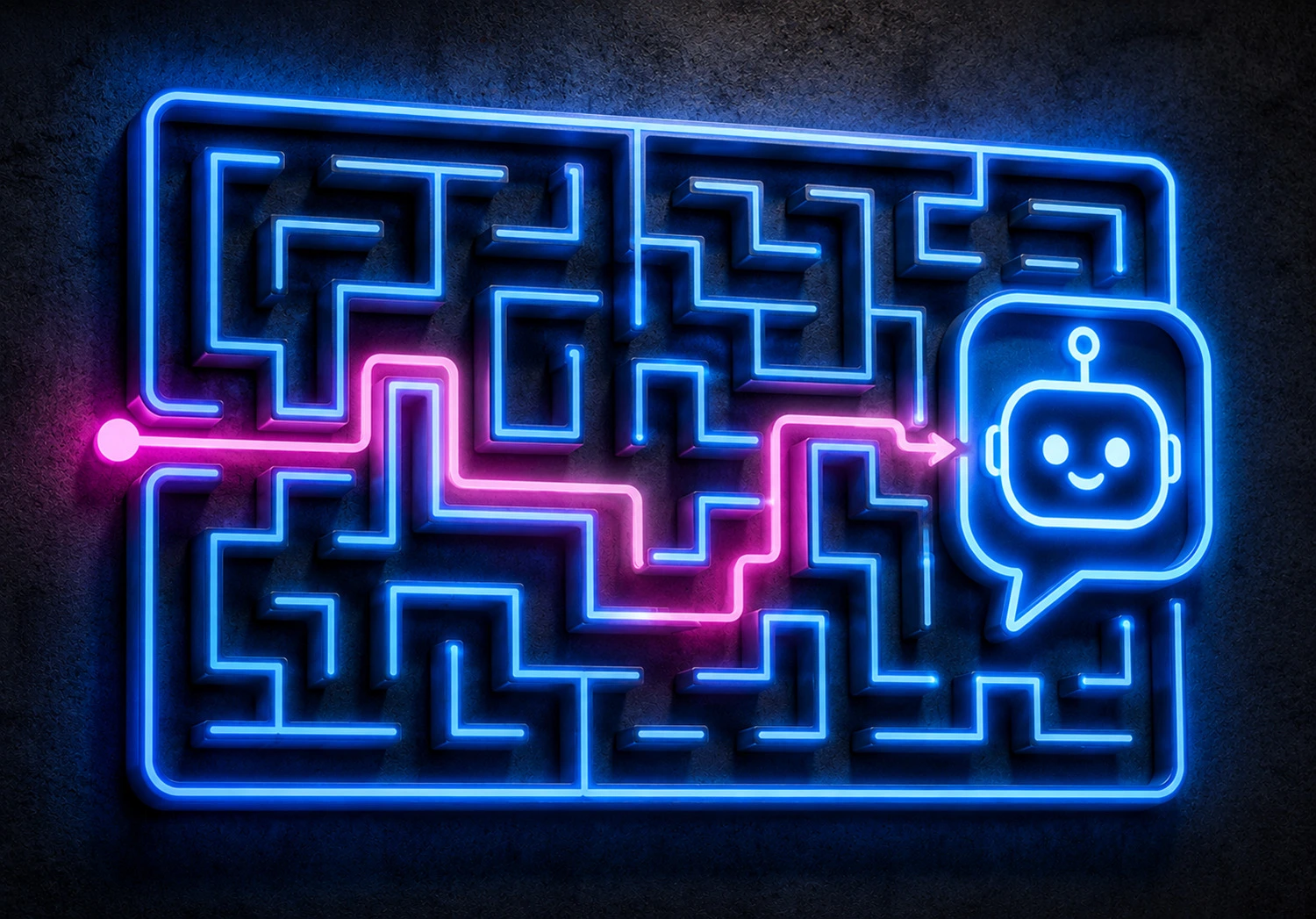
AI-driven chatbots are designed to engage users instantly, at any time, without human intervention. When built properly, they can handle a wide range of queries and guide users through structured journeys.
Where AI Chatbots Perform Well
-
Instant responses, 24/7
-
Consistent answers to common questions
-
Handling high volumes of enquiries simultaneously
-
Capturing intent and qualifying leads early
Modern custom AI chatbots go far beyond scripted flows. They can respond contextually, adapt based on behaviour, and integrate with internal systems such as CRMs or booking tools.
Limitations of Chatbots
Chatbots are not a replacement for human judgement. They can struggle with:
-
Highly complex or unusual requests
-
Emotionally sensitive conversations
-
Situations where users explicitly want human reassurance
This is why poorly implemented bots often frustrate users rather than help them.
Engagement Depends on Design, Not Just Technology
The real difference in engagement does not come from choosing live chat or AI chatbots. It comes from how well each option is designed around user needs.
A basic chatbot with generic responses will almost always underperform compared to live chat. Equally, a poorly staffed live chat that leaves users waiting will lose engagement just as quickly.
The strongest results typically come from custom AI solutions that:
-
Understand user intent
-
Know when to provide answers and when to escalate
-
Fit naturally into the wider customer journey
The Case for a Hybrid Approach
For many businesses, the most effective setup combines AI chatbots and live chat rather than choosing one over the other.
In a hybrid model:
-
AI handles common questions, triage, and early qualification
-
Live chat steps in for complex, high-value, or sensitive conversations
-
Users are seamlessly transferred without repeating themselves
This approach balances efficiency with empathy and allows teams to scale engagement without sacrificing experience.
Measuring Engagement Effectively
To understand which approach works best, businesses should look beyond surface-level metrics.
Useful engagement indicators include:
-
Time to first response
-
Conversation completion rate
-
Lead qualification quality
-
Escalation frequency
-
User satisfaction or feedback
AI-driven systems are particularly strong at capturing and analysing this data, helping businesses refine how engagement evolves over time.
Why Custom Solutions Matter
Off-the-shelf tools often force businesses into rigid interaction patterns. This is where engagement suffers.
Custom AI chatbots can be trained around:
-
Brand tone and language
-
Specific customer journeys
-
Industry terminology and compliance needs
-
Internal processes and data sources
Likewise, broader custom AI solutions allow organisations to design engagement around real behaviour rather than generic assumptions.
The result is an experience that feels intentional, helpful, and aligned with user expectations.
So Which Delivers Better Engagement?
Neither AI chatbots nor live chat automatically deliver better engagement on their own.
-
Live chat excels when human understanding is essential
-
AI chatbots excel when speed, scale, and consistency matter
-
Hybrid models often deliver the strongest overall results
The key is not choosing a tool, but designing an experience that responds intelligently to user needs.
Choosing the Right Approach for Your Business
Before deciding how to engage users, consider:
-
When do users most often need help?
-
What questions are repetitive versus complex?
-
Where does engagement drop off today?
-
How important is 24/7 availability?
Answering these questions makes it far easier to decide where AI adds value and where human interaction remains essential.
Final Thoughts
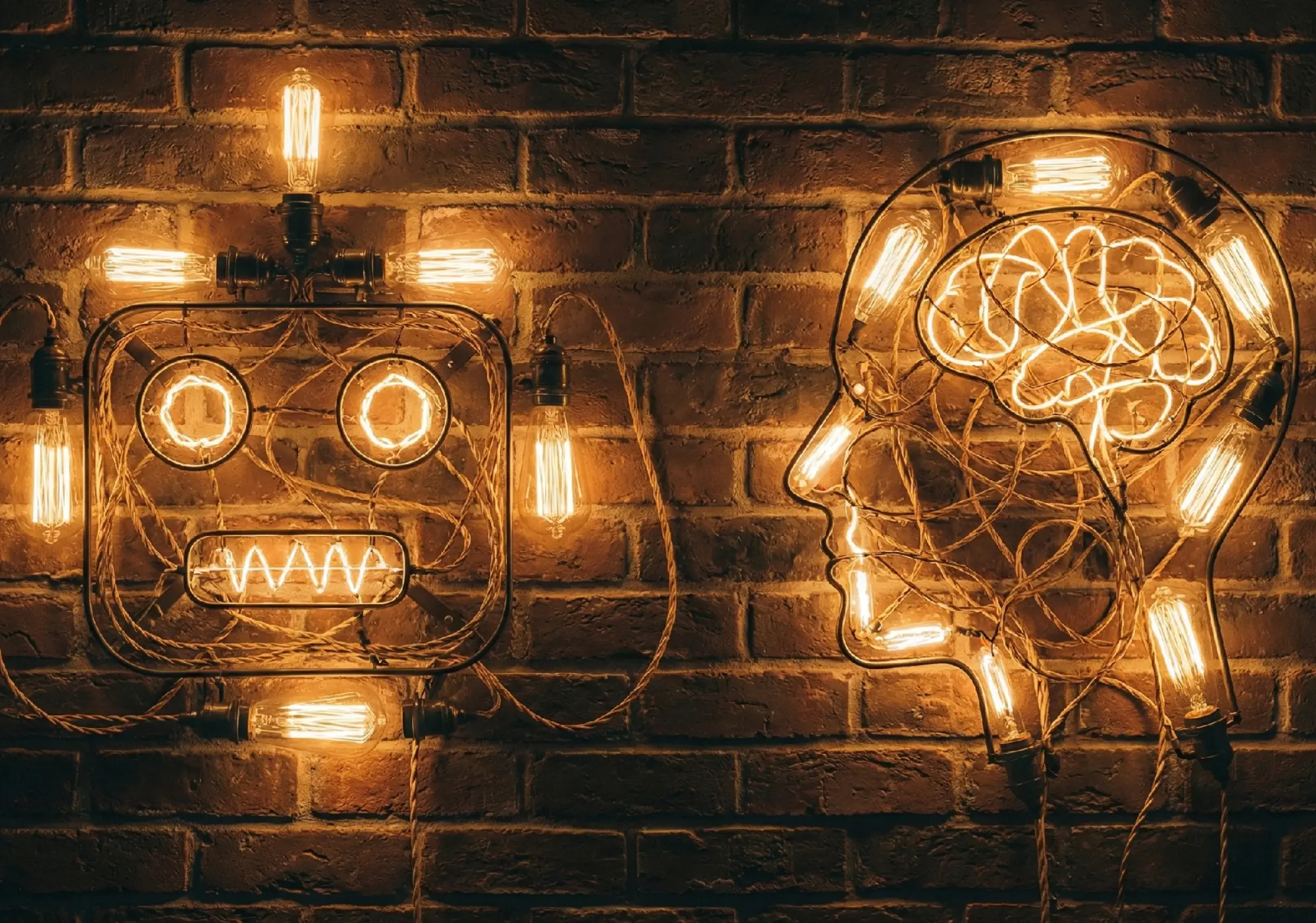
AI-driven chatbots and live chat are not competing technologies. They are complementary tools that, when used together thoughtfully, can significantly improve user engagement.
By investing in custom AI chatbots and broader custom AI solutions, businesses can create experiences that are responsive, scalable, and genuinely useful, without losing the human element that builds trust.